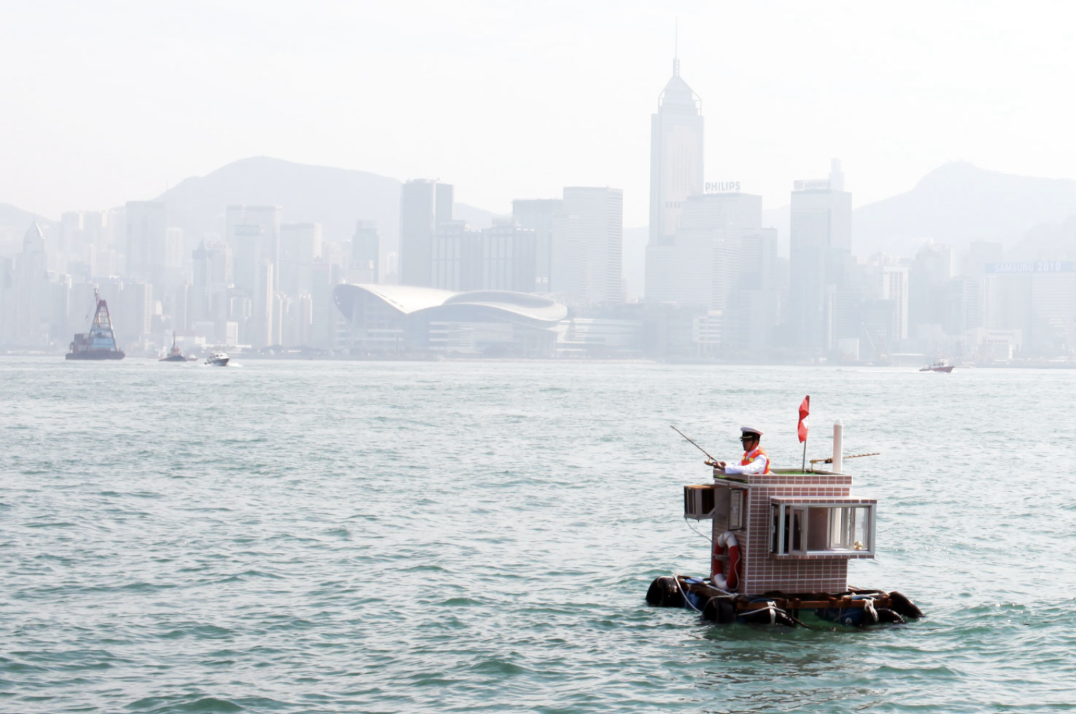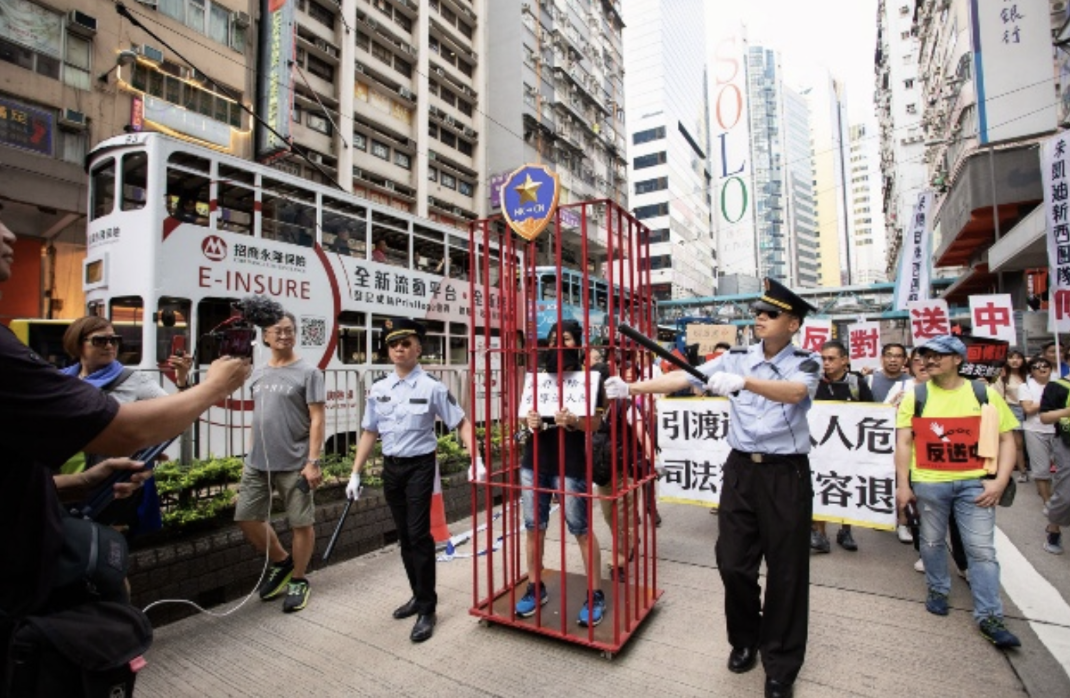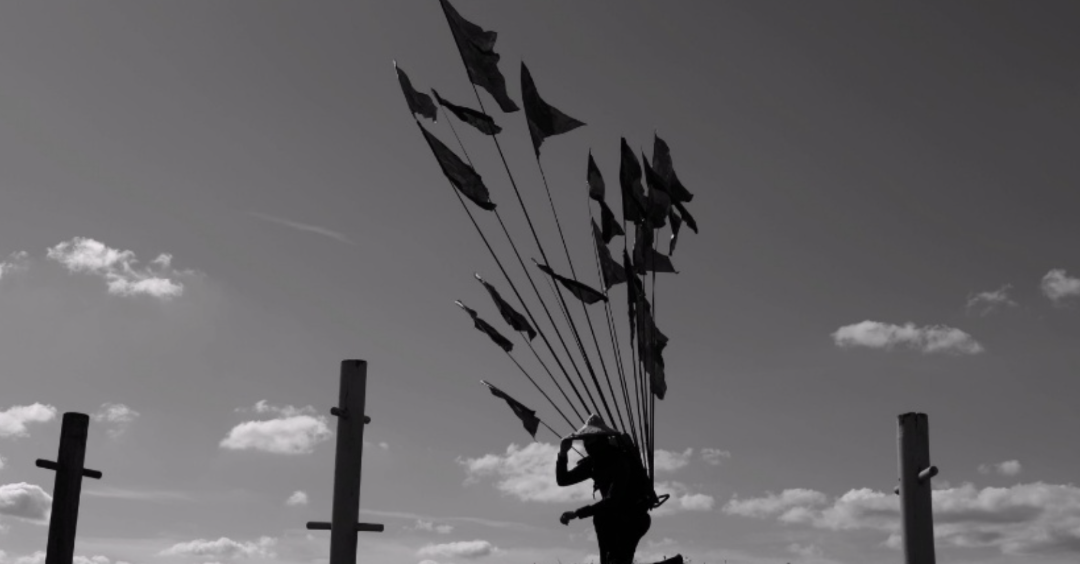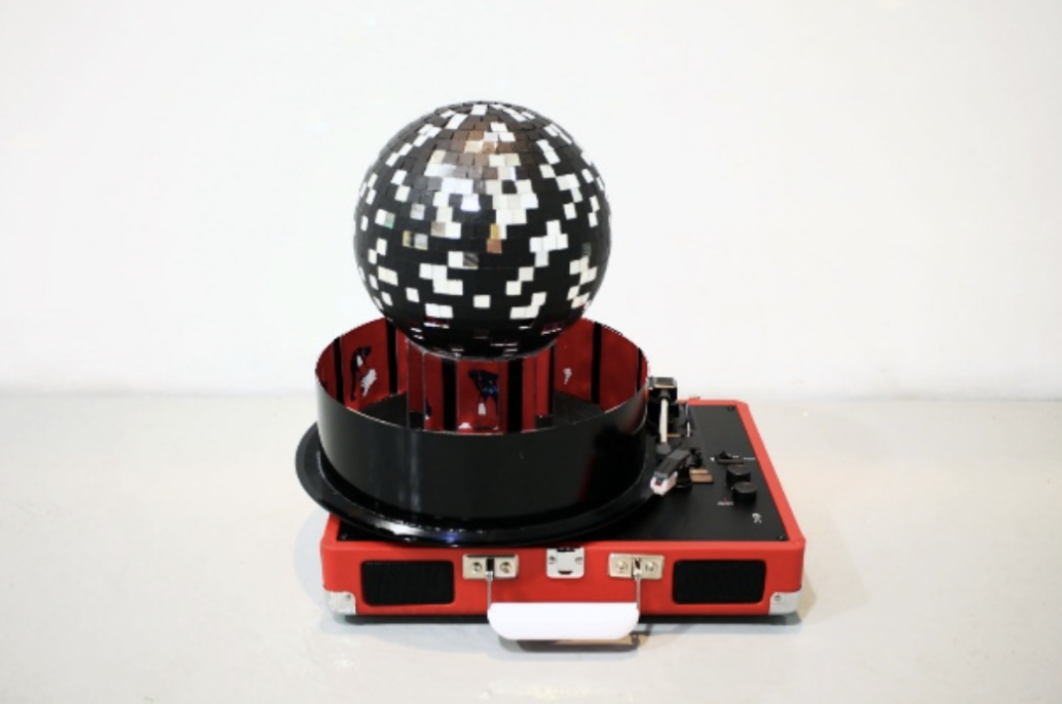
Hong Kong–born artist Kacey Wong returns to The Hague for a public talk at Leiden University and an exhibition at NGO DEI. Now living in exile in Taiwan and formerly a professor in Hong Kong, Wong draws on his personal experiences of political upheaval and displacement. In his talk, he reflects on how visual language is shaped under authoritarian pressure, censorship, and exile, and how art can become a way to resist erasure and sustain civic courage.Motivated by the suppression of Hong Kongers' voices, Wong serves as a voice for those who cannot speak for themselves. Through his work, he highlights both the events of 2019 and the ongoing resistance of individuals fighting under the regimes in Hong Kong and Taiwan. As an exile, Wong blends these two very different cultures in one exhibition, as they are connected not just by a common oppressor, but also by the artist’s personal experiences. This connection makes the exhibition feel raw and sincere, drawing viewers into the very heart of oppression and resilience.Tales of Resistance, Allegory and Myth, therefore, becomes not only a stunning visual experience but also an engaging journey. Sounds and videos from the protests accompany the physical artworks, recordings recreating the atmosphere of the demonstrations, allowing visitors to “walk with me to the protest, on the street level,” as Wong describes it. At the same time, he prompts observers to reflect on their own lives and on the struggles that surround them. The exhibition encourages viewers to ask themselves difficult questions about their own resilience, spirit, and imagination.At the same time, the exhibition challenges conventional boundaries between protest and performance art. Wong notes that performance art is typically confined to theatres or galleries. His work instead turns the protest site itself into a stage. “What I’m doing is actually turning a protest site into an opera house, into a stage,” he explains. The resulting short videos transform real moments from the demonstrations into a performative narrative.Several installations combine visually playful forms with darker political themes. One example is a series of rotating disco balls placed on turntables. At first glance, they seem like a festive décor, but inside each sphere, viewers can see small looping images inspired by nineteenth-century optical devices. These sequences depict scenes from the protests, including moments where Wong confronts tear gas or is pushed to the ground by police, repeating endlessly like fragments of news footage caught in time.The opening night will feature a live performance titled Living Deity, in which Wong constructs a small fortune-telling temple inside the gallery. During the performance, he will answer visitors’ political questions using coins and a 3D-printed turtle shell. The piece draws inspiration from Taiwanese temple culture, where spiritual consultation is common, while also reflecting the uncertainty that accompanies political instability. As Wong notes, “in a time of uncertainty, people are worried and lost… You look for hope.”Ultimately, Tales of Resistance: Allegory and Myth explores the many forms that resistance can take. Wong believes that artistic expression plays an important role in political struggle, even when its impact is not immediately visible. “Sometimes people think art is useless,” he reflects, “but from what I learned, everything is useful.” Through installations, performances, and film, the exhibition becomes not only a reflection on recent history but also a meditation on resilience, imagination, and the persistence of human dignity.