1. The title The Floor Is Lava immediately evokes a childhood game that many of us have played. Is there a story that inspired you, or what drew you to this title?
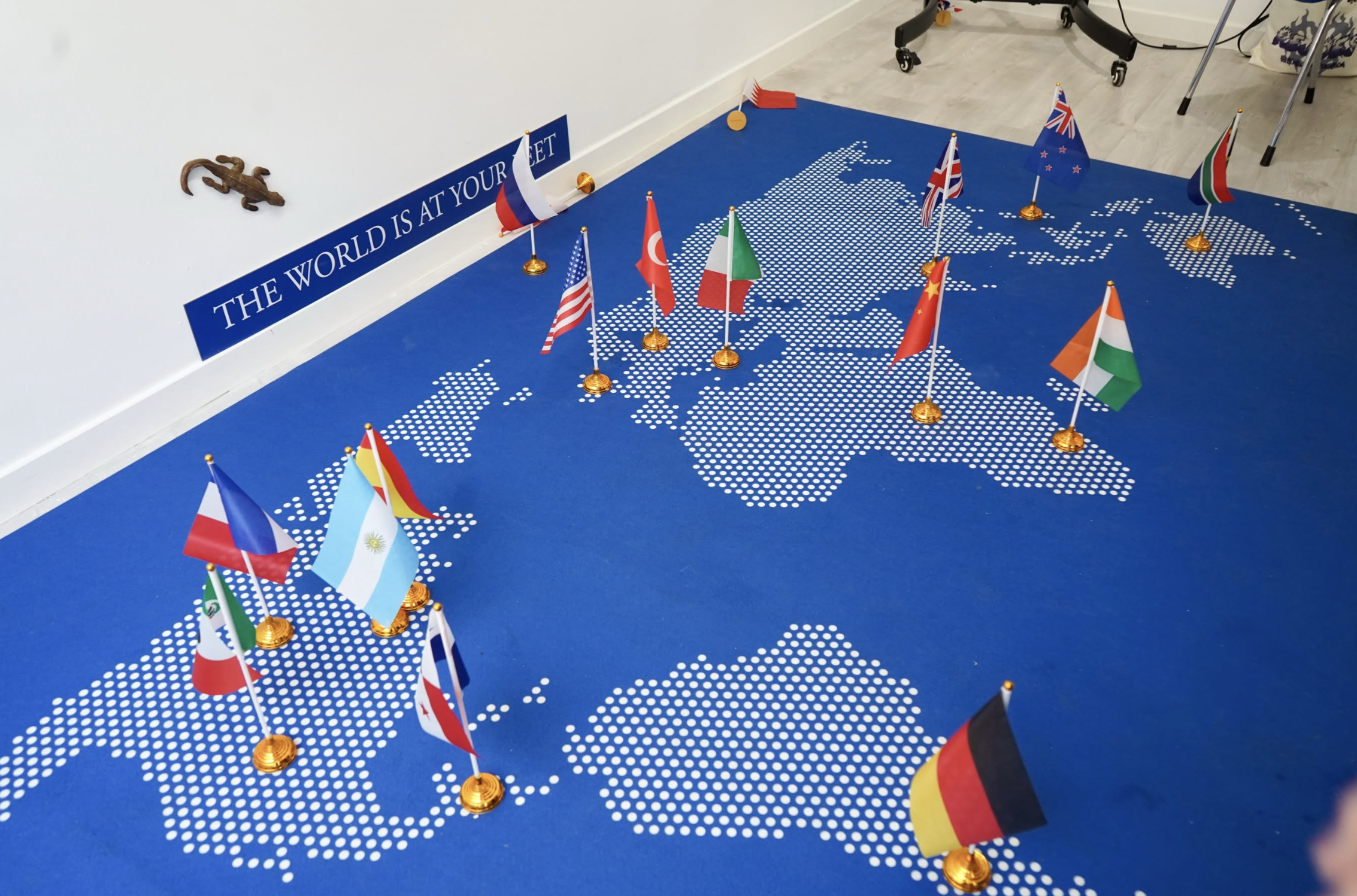
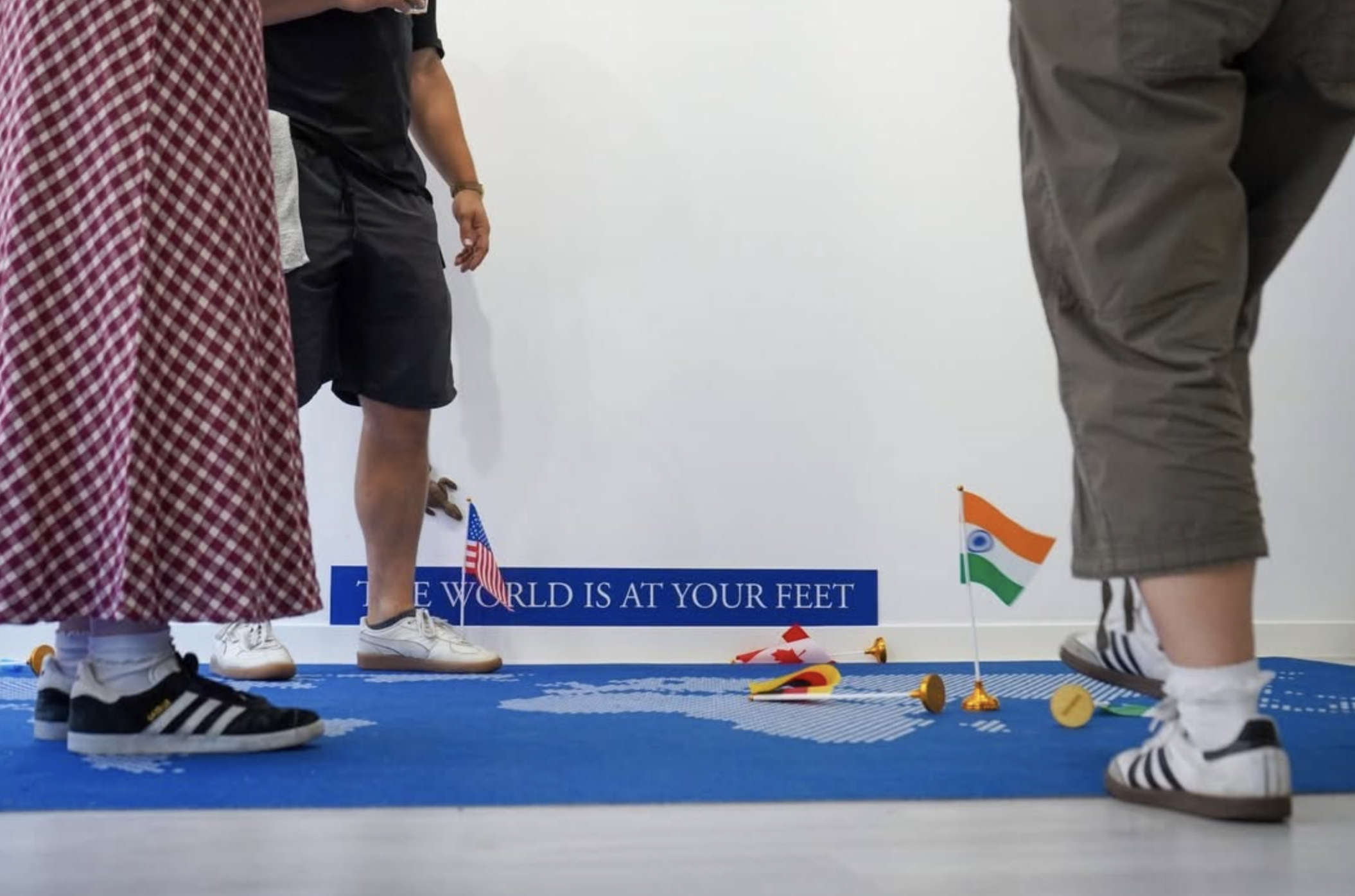
The Floor Is Lava is such a universal game. Almost everyone has played it in some form, regardless of where they grew up. It is built on a shared memory of childhood, where we all accepted a simple rule: imagine the floor is lava and avoid touching it. Through that simple rule, imagination creates an entirely new reality.That was what attracted us to the title. It reflects the ambition of the project itself: we want audiences to actively participate rather than simply observe. Just like children, visitors are invited to use their imagination and engage physically with the work.At the same time, we think many adults lose some of that ability to imagine different realities. We become more fixed in how we think and perceive the world. What fascinates us is that this innocent childhood game is also strangely destructive. The idea of "lava" already contains danger, horror, and violence, yet as children we experience it as something playful and joyful. That tension between playfulness and violence is exactly what the project wants to explore.
2. Your project begins from a childlike and naïve perspective on war. At what point do you think play stops being innocent and begins to shape the ways we imagine violence, conflict, and the futures we collectively build?
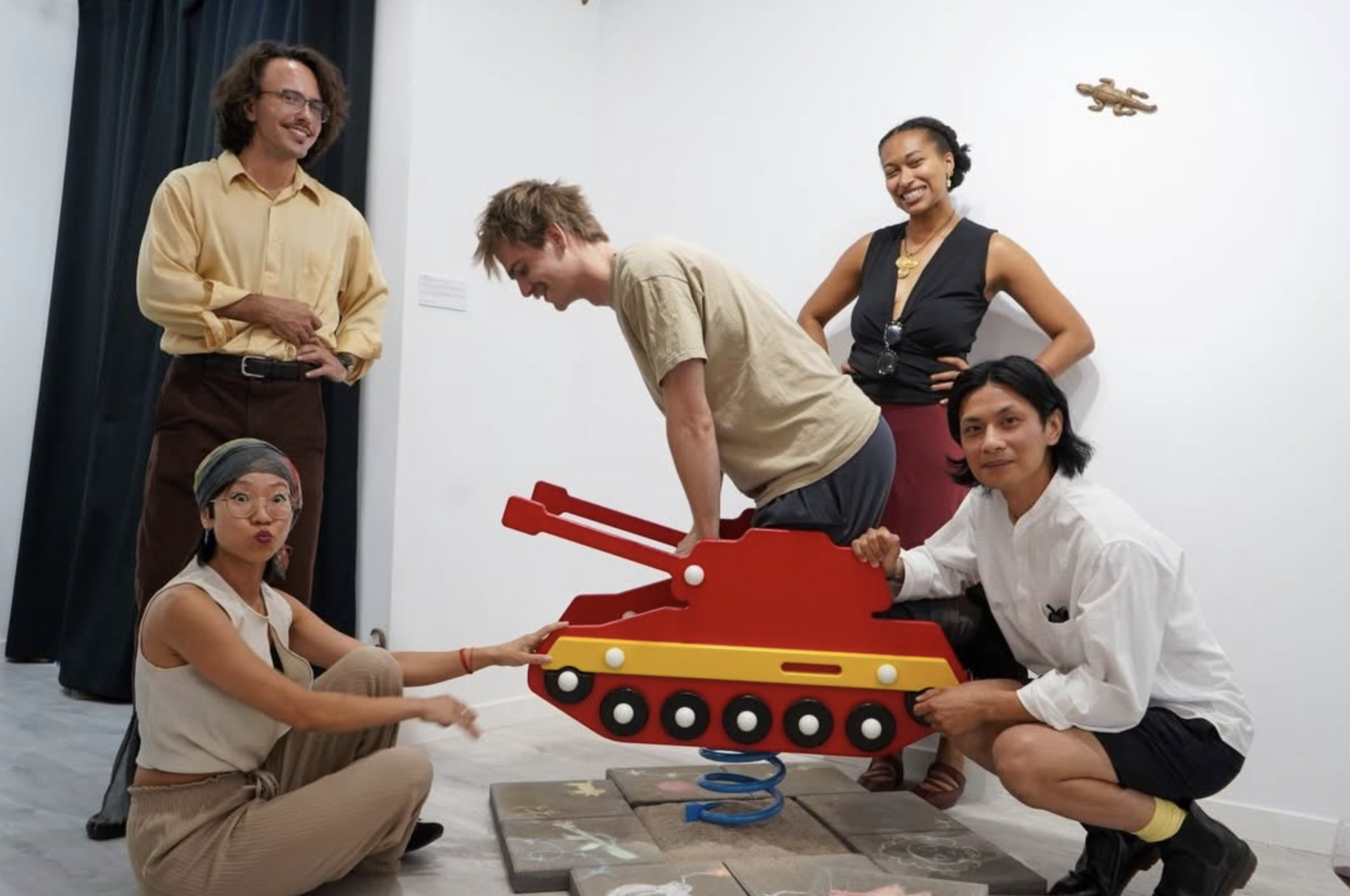
We don't think there is a clear boundary where play suddenly stops being innocent. Play has always involved rules, boundaries, and imagination. Even on a playground, children rehearse systems that exist in society: they learn how to cooperate, compete, follow rules, and understand authority.What interests us is how imagination shapes us from such a young age. Many games are remarkably universal. Children across the world play similar games using almost identical rules. That shared framework influences how we understand the world long before we realise it.Play is also only one part of a much bigger system. We are constantly socially conditioned through school, media, advertising, toys, and everyday routines. These experiences teach us how to behave, what to value, and what feels "normal."When children imitate traffic with toy cars or organise objects into categories, they are not only playing; they are also learning the structures of society. Those structures are often connected to consumer culture, systems of reward, branding, and even larger political or military systems. So while play may seem biologically innocent, it is also one of the earliest ways we begin absorbing social values.
3. Living in the Netherlands, where war is often experienced through media rather than lived reality, how do you think distance influences our understanding of conflict and our responsibility towards it?
Distance often makes conflict easier to simplify. Many of us grow up with Hollywood films or video games where war is presented through clear heroes and villains. Those stories create a binary way of thinking: one side is good, the other is evil, and violence becomes something entertaining or even heroic.The problem is that this can distance us from the real human experience of war. Real suffering becomes something we consume through screens rather than something we truly understand. Someone who has lived through war will have a completely different relationship with violence than someone who has only encountered it through the media.At the same time, we don't think you need to live in a war zone to be affected by conflict. We are politically immersed in global events every day through the news, social media, and our phones. Even if we are physically distant, we are constantly exposed to images of violence.Rather than pretending that we can recreate the reality of war, the project tries to create situations in which audiences must navigate discomfort themselves. We want people to become more aware of their own position and ask what responsibility they have, even from a distance.
4. Rather than rejecting play, your project uses it as a tool for questioning militarisation and systems of violence. What kinds of conversations or reactions do you hope emerge when audiences physically engage with these works?
We don't want to tell audiences exactly what to think. Instead, we hope their first reaction is simply: "What is happening?" or "Why does this familiar object suddenly feel so strange?"The exhibition creates situations that feel playful but also uncomfortable. By placing childhood objects alongside symbols of violence, we highlight the absurdity of how easily these ideas can exist together. That moment of confusion encourages people to question assumptions they normally would not notice.Everyone will respond differently depending on their own experiences and background, and that is important. The work is not about giving a single answer, but about opening up a space for reflection.We are also living in a moment when public language around conflict has become increasingly hostile. Military spending is rising, international tensions continue to grow, and yet many of us carry on with our daily lives almost as if nothing is happening. In some ways, it is similar to climate change: we know it is real, but it is difficult to fully imagine its consequences.The exhibition asks whether we have become desensitised to violence. What has happened to diplomacy, international cooperation, and alternative ways of resolving conflict? By bringing these questions into a playful yet unsettling environment, we hope visitors leave thinking more critically about how violence becomes normalised, and about their own place within those systems.